
From Job Site to Boardroom: Branding for the Skilled Trades

There’s a specific moment many trade businesses eventually face: the jump from smaller, individual clients to larger commercial contracts, developers, property management companies, institutional clients with formal procurement processes. That jump often demands more than just proven work quality. It demands a level of professional presentation that many trade businesses, built primarily on residential referrals, simply haven’t needed to develop yet.
The Professionalism Gap Holding Some Trade Businesses Back
Trade businesses that have built a strong reputation through residential work often discover that reputation alone isn’t enough to compete effectively for larger commercial contracts. Commercial clients, particularly larger organizations with formal vendor evaluation processes, tend to weigh professional presentation more heavily than individual homeowners typically do, not because the underlying work matters less, but because these clients are often evaluating multiple unfamiliar vendors simultaneously and need reliable signals to differentiate between them.
This creates a real gap for skilled trade businesses whose branding and presentation haven’t kept pace with the scale of client they’re trying to attract. A contractor with excellent, proven work but inconsistent, unpolished branding materials may find themselves losing bids to less experienced competitors who simply present themselves more professionally, an outcome that has less to do with actual capability and more to do with how that capability gets communicated during the evaluation process.
Closing That Gap With Better Branding
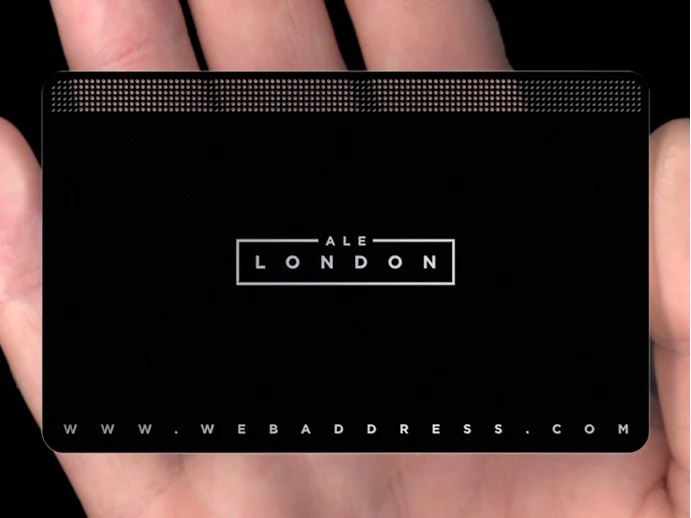
Closing this professionalism gap doesn’t require abandoning the authentic, hands-on brand identity that resonates with residential clients. It requires extending that same brand, thoughtfully and consistently, into materials and presentations suited for a more formal, commercial evaluation process. This might mean developing a more polished capabilities presentation, ensuring proposal documents reflect the same quality and attention to detail as the actual work, and making sure every physical touchpoint, from business cards to project documentation, reinforces a consistent, professional impression.
Physical branding materials deserve particular attention in this transition, since they’re often the first tangible impression a new commercial contact forms. Materials that combine authentic trade character with genuine professional polish, such as metal siding business cards, can help bridge this gap effectively, communicating both the durability and craftsmanship associated with quality trade work and a level of intentional, professional presentation that resonates with larger commercial clients.
What Larger Clients Notice and Expect
Larger commercial clients tend to evaluate potential vendors through a more formal, comparative lens than typical residential clients, often reviewing multiple proposals side by side and looking for consistent signals of reliability and professionalism throughout the entire evaluation process. This means inconsistencies, a strong verbal pitch paired with unpolished materials, for example, tend to stand out more clearly and can meaningfully affect how a bid or proposal is received.
Commercial clients also tend to place significant weight on evidence of scale and capacity, indications that a trade business can reliably handle a larger, more complex project rather than just individual residential jobs. This often means documentation, case studies, and presentation materials need to communicate not just quality, but a track record and capacity appropriate to the scale of work being pursued.
A Practical Roadmap for Leveling Up Your Brand
For trade businesses looking to make this transition, a practical starting point involves auditing all client-facing materials against the standard a larger commercial client would expect, business cards, proposal templates, project documentation, and identifying the most significant gaps. Prioritizing the highest-visibility materials first, typically business cards and proposal or capabilities documents, tends to deliver the most noticeable improvement relative to the effort involved.
Building a portfolio of professionally documented past work, including case studies that speak specifically to project scale and complexity relevant to commercial clients, also helps address the evidence of capacity that larger clients tend to look for during evaluation.
Bridging Two Worlds Without Losing Either
The trade businesses that successfully make the jump from residential work to larger commercial contracts tend to be the ones that find a way to maintain their authentic, craft-driven identity while extending it into more formal, polished presentation appropriate for commercial evaluation processes. This isn’t about abandoning what made the business successful in the first place. It’s about ensuring that same quality and character comes through clearly and consistently, regardless of the scale or formality of the client evaluating it.